
Permitting and Building Near the Water in Maryland: What Homeowners Need to Know
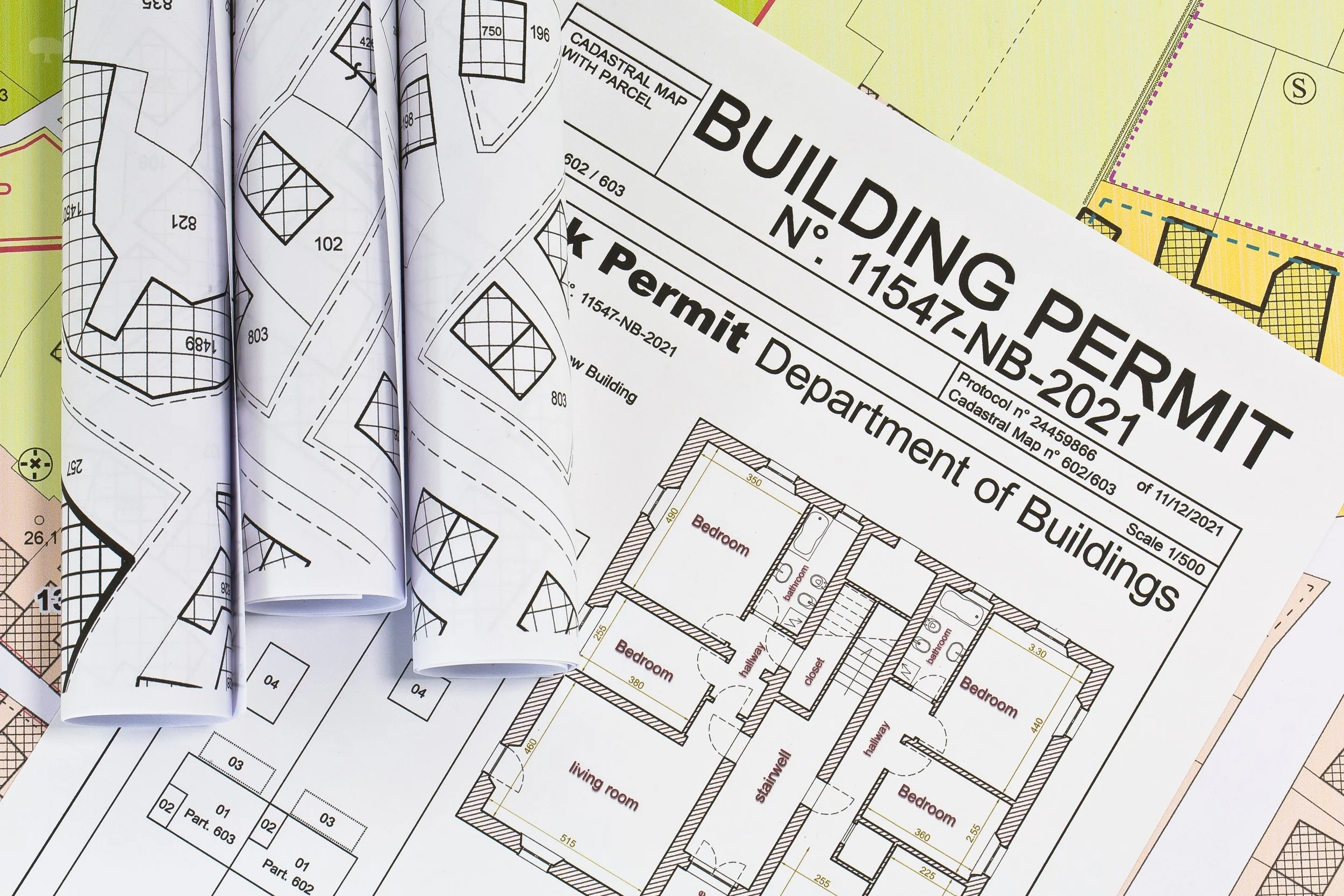
Building your dream home on Maryland’s waterfront is a once-in-a-lifetime opportunity—but it comes with its own set of rules, regulations, and red tape. Here’s what you need to know and how we make it easier.
The Beauty (and Challenge) of Waterfront Property
There’s nothing quite like waking up to the sunrise over the Chesapeake Bay or sipping a glass of wine as the sun sets over a quiet creek. Waterfront homes offer serenity, stunning views, and a unique lifestyle. But building on or near the water in Maryland also means you’re subject to some of the state’s strictest environmental and zoning regulations.
At Mason Construction, we’ve spent decades building architecturally designed homes along Maryland’s rivers, creeks, and bayfront. We know the permitting process inside and out and how to guide you through it efficiently so you can focus on what really matters: creating a home you love.
Understanding the Critical Area: Why Permitting is Complex
Much of Maryland’s shoreline falls under what’s called the Critical Area, a 1,000-foot buffer from tidal waters or wetlands. Any construction within this zone must meet strict environmental guidelines to protect water quality and preserve natural habitats.
Here’s where the process gets tricky:
State and Local Jurisdiction—You’ll need approval not only from your county but also from the Maryland Department of Environment (MDE) and possibly the U.S. Army Corps of Engineers.
Buffer Management Plans – Depending on your lot, you may need to submit plans showing how you’ll preserve trees, control runoff, and minimize environmental impact.
Stormwater and Septic Regulations – These are especially important on the Eastern Shore where fragile ecosystems demand added protection.
Pier and Shoreline Work – Any waterfront access, including piers or shoreline revetments, has its own set of rules.
Mason Construction’s Streamlined Process
Our team has worked extensively in Anne Arundel, Talbot, Queen Anne’s, and surrounding counties. We’ve built strong relationships with local officials and consultants, which allows us to keep your project moving forward without delays.
Here’s how we make the process smoother:
1. Site Evaluation and Feasibility
Before design even begins, we perform an in-depth review of your property’s environmental constraints and opportunities. This helps us spot red flags early and plan accordingly.
2. Collaborating with Specialists
We work with trusted civil engineers, surveyors, and environmental consultants who know how to prepare permit-ready documents. Whether it’s a grading plan, percolation test, or forest conservation review, we’ve got the right partners in place.
3. Permit Management
We handle all permit submissions and correspondence with county and state agencies. From zoning variances to critical area approvals, we keep track of every moving part so you don’t have to.
4. Ongoing Communication
We believe in transparency. Throughout the permitting process, we keep you informed and involved without overwhelming you with technical jargon.
How Long Does the Permitting Process Take?
For waterfront properties, the permitting phase can take anywhere from 3 to 9 months, depending on the site's complexity. Timing can also be affected by agency review cycles and the time of year. Our proactive planning helps avoid delays and ensures construction can begin as soon as approvals are granted.
Building Responsibly—And Beautifully
We don’t believe you have to choose between luxury and environmental stewardship. Our team is skilled at designing homes that respect the land and the water, without compromising on comfort, beauty, or functionality. From materials selection to site layout, we take a thoughtful approach to every detail.
Let’s Build Your Dream Waterfront Home
Navigating the permitting process can be daunting, but it doesn’t have to be. With Mason Construction by your side, you get a trusted partner who knows the terrain and how to build responsibly, beautifully, and efficiently.
Want to know how we guide you from permits to move-in day? Learn more about our step-by-step building process.
Contact us today to start planning your custom waterfront home.